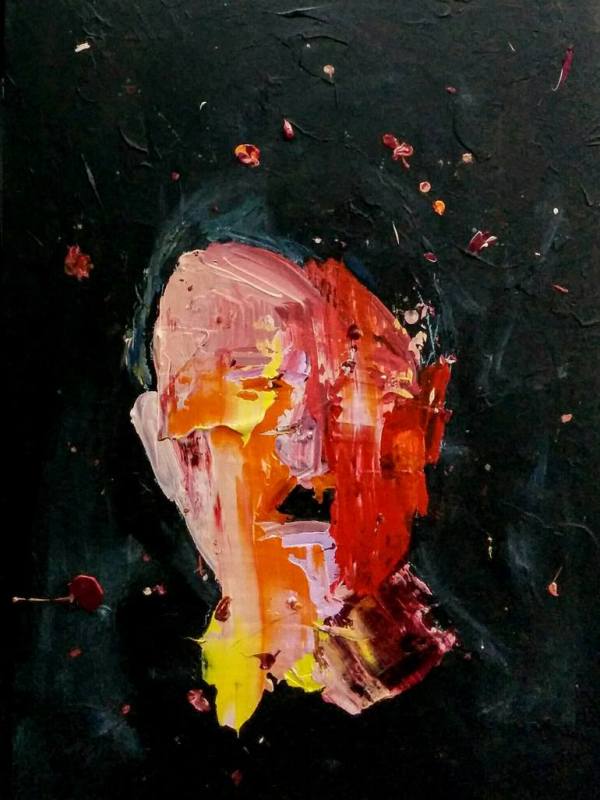
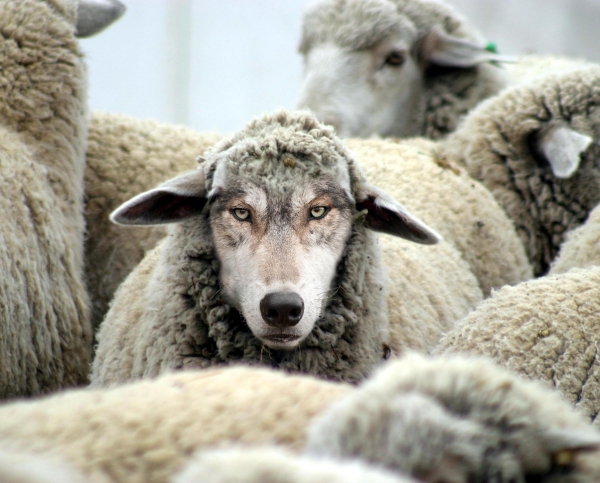
W. Brown writes in Regulating Aversion: Tolerance in the Age of Identity and Empire: Man is not a “herd animal” but a “horde animal,” Freud writes at the conclusion of his lengthy critical discussion of other theorists of group psychology. A herd animal has an instinctual affinity for closeness, primary gregariousness, while the horde animal... Continue Reading →
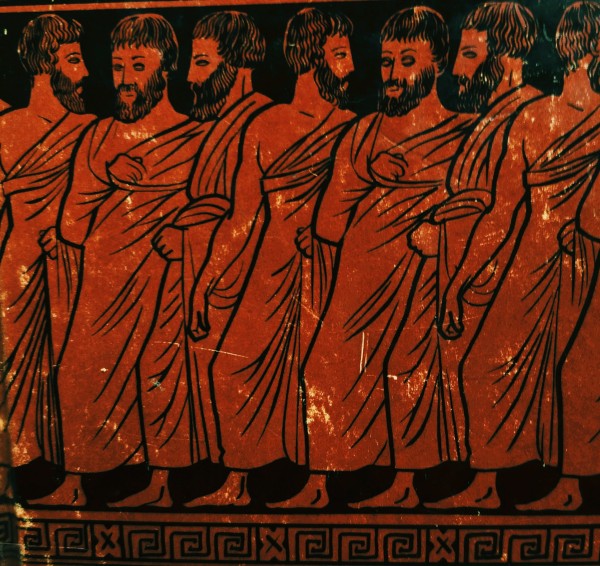
Who Should Rule? The Strife Between Plato and Democracy
The ongoing debate whether a state of nature, (a wild primitive state untouched by civilization, a definition by Wordink) has ever coincided with the timeline of the human history may demonstrate the immortality of the concept of governments, since the non-existence of state of nature in human history would mean that we always established authorities... Continue Reading →
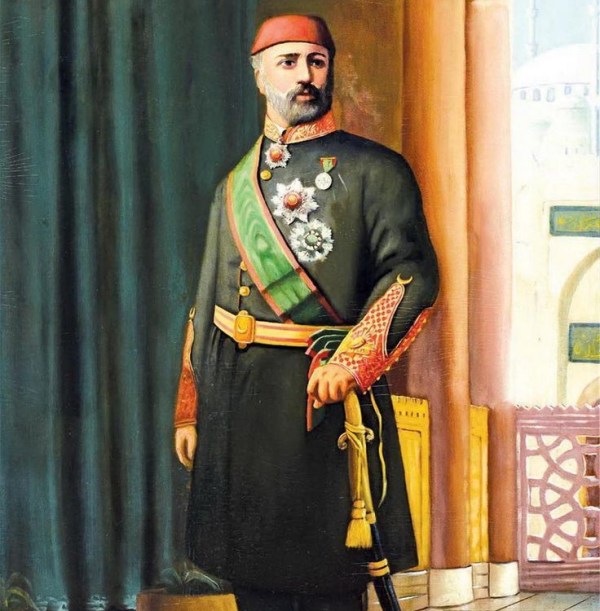
A Prismatical Figure in History: Sultan Abdülaziz
It is time to turn back to the pages of History and observe an Ottoman Sultan (Emperor) which I had known little about in the past and whom I now find extremely fascinating given the fact that his name is diminished by the potency and the success of his predecessors. Abdülaziz, the 32nd (5th from... Continue Reading →
The Superiority of the Private Life
I would like to share this thought-provoking piece of Allan Bloom's interpretive essay of Plato's Republic. And reflect on how it could be understood when compared to the modern understanding of politics or ideal societies in which people try to wrap themselves in the boundaries drawn by ideologies but not one's own conscious mind. "The... Continue Reading →
Between Past and Future / Hannah Arendt
The liberal writer, concerned with history and the progress of freedom rather than with forms of government, sees only differences in degree here, and ignores that authoritarian government committed to the restriction of liberty remains tied to the freedom it limits to the extent that it would lose its very substance if it abolished it... Continue Reading →
The Republic / Plato
From Allan Bloom's interpretive essay: "The Republic shows us why Socrates was accused and why there was good reason to accuse him. Not only does he tell us about the good regime, but we see his effect on the young men he was said to have corrupted. Socrates, in leading them to a justice which... Continue Reading →
Imagined Communities: Reflections on the Origin and Spread of Nationalism / Benedict Anderson
Some of the peoples on the eastern coast of Sumatra are not only physically close, across the narrow Straits of Malacca, to the populations of the western littoral of the Malay Peninsula, but they are ethnically related, understand each Other’s speech, have a common religion, and so forth. These same Sumatrans share neither mother-tongue, ethnicity,... Continue Reading →
A Dying Colonialism / Frantz Fanon
There is not occupation of territory on the one hand and independence of persons on the other. It is the country as a whole, its history, its daily pulsation that are contested, disfigured, in the hope of a final destruction. Under these conditions, the individual's breathing is an observed, an occupied breathing. It is a... Continue Reading →
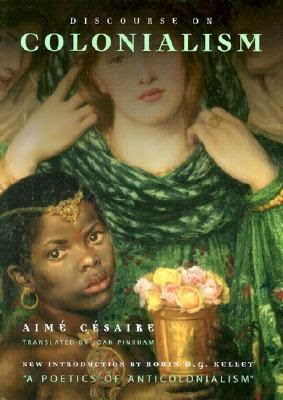
Discourse on Colonialism / Aimé Césaire
A civilization that proves incapable of solving the problems it creates is a decadent civilization. A civilization that chooses to close its eyes to its most crucial problems is a stricken civilization. A civilization that uses its principles for trickery and deceit is a dying civilization. The fact is that the so-called European civilization“Western” civilization-as... Continue Reading →
Politics Out of History / Wendy Brown
Moralism is the practice of moralizing, or the tendency to judge others' morality. So, although "moralism" sounds innocent because it seemingly has to do with ethics and morals, it could be considered as a plaster that censors political thought. And form my observations, this woeful case is very relevant today. Whenever people try to judge... Continue Reading →