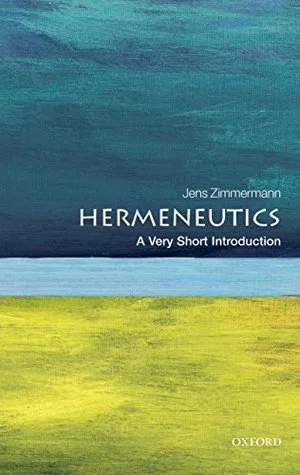
Chapter 1: What is hermeneutics? According to Zimmermann, a simple answer to the question is that "it means interpretation" (p.1). "Interpretation occurs in many fields of study and also day-to-day life. We interpret plays, novels, abstract art, music and movies, employment contracts, the law, the Bible, the Quran, and other sacred texts; but we also... Continue Reading →
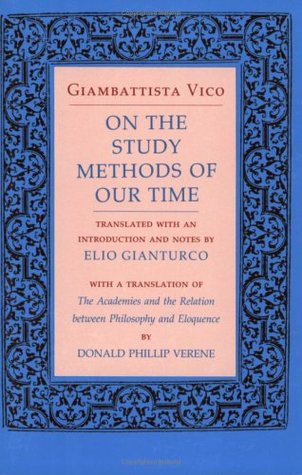
Book Summary: On the Study Methods of Our Time / Giambattista Vico
I According to Vico, “the men of the modern age, have discovered many things of which the Ancients were entirely ignorant; the Ancients, on the other hand, knew much still unknown to us” (p.4). And pursues the question ‘which study method is finer and better, ours or the Ancients?’ while describing his goal as “to... Continue Reading →
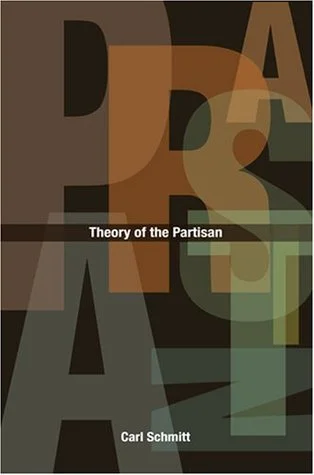
Book Summary: Theory of the Partisan: Intermediate Commentary on the Concept of the Political / Carl Schmitt
Introduction View of the Initial Situation 1808-13 Schmitt writes, “the initial situation for our consideration of the problem of the partisan is the guerrilla war that the Spanish people waged against the army of a foreign conqueror from 1808 until 1813. In this war, a people—a pre-bourgeois, pre-industrial, pre-conventional nation—for the first time confronted a... Continue Reading →
Liberal Democracies’ Indifference to Cultural Difference
In his writing The Cultural Limits of Legal Tolerance, Benjamin L. Berger examines the idea of multiculturalism and pluralism in the context of Canadian law. Although, like most other liberal democracies, there is a claim of ideas of religious pluralism, religious freedom, and multiculturalism being inherent in the democratic identity of Canada; the law’s approach... Continue Reading →