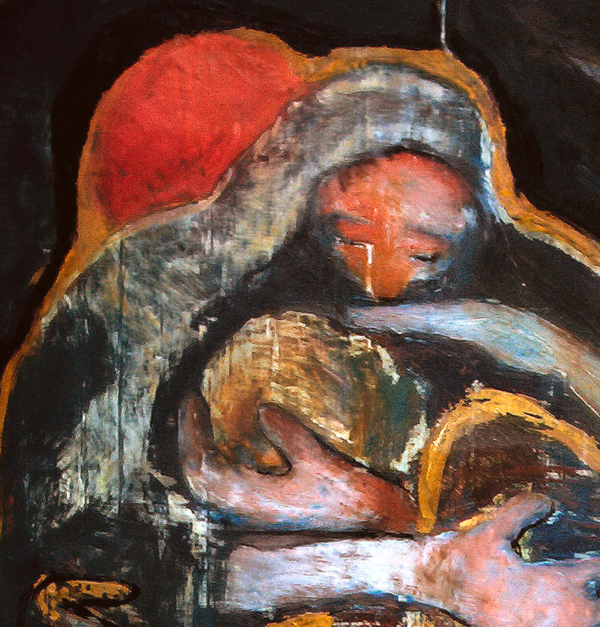
In his book called The Sunflower: On the Possibilities and Limits of Forgiveness, Simon Wiesenthal narrates his story as a concentration camp inmate who is asked for forgiveness by a dying Nazi soldier--a story which takes the reader to a moral dilemma that Simon could not find the answer of. The latter part of the... Continue Reading →
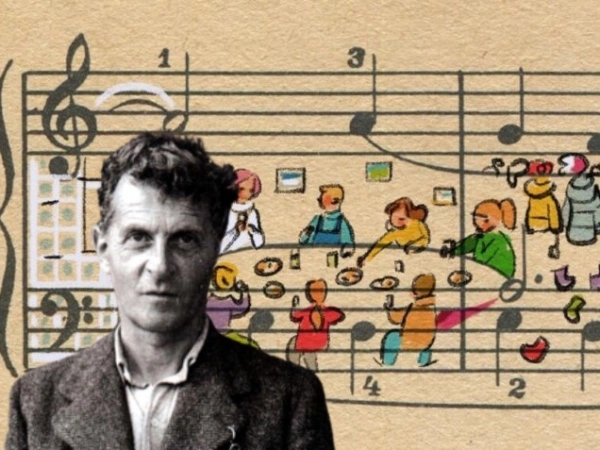
Wittgenstein, Culture, and Value: Language-games and Forms of Life
According to Wittgenstein, examples of language are meaningful only in the context that they are uttered in — that is, according to the “rule” of the “game” being played. As a very simple example, the utterance “Fire!” could be an order, an answer to a question, an instant reaction, or some other forms of communication.... Continue Reading →
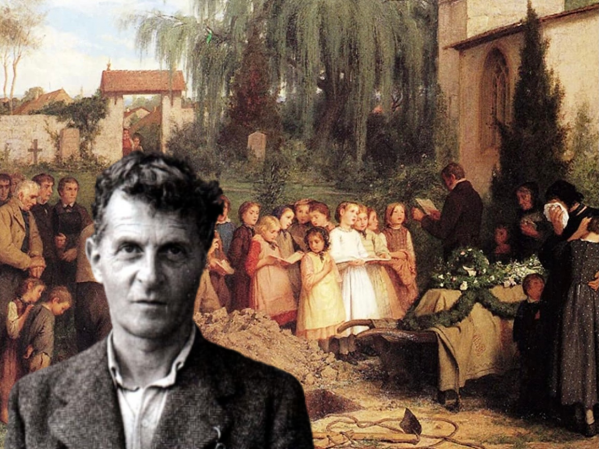
Wittgenstein, Culture, and Value: The Disappearance of a Culture
One of Wittgenstein's personal notes, taken from the book Culture and Value, states: "I realize then that the disappearance of a culture does not signify the disappearance of human value, but simply of certain means of expressing this value, yet the fact remains that I have no sympathy for the current of European civilization and... Continue Reading →